
How to Choose the Right Mannequin Size for Bridal, Menswear, and Streetwear Brands
Quick answer: For most apparel brands, pick a mannequin sized in the middle of your sample range, not at the edges. Womenswear and bridal vendors usually go with a US size S (4/6). Menswear, suit, and streetwear vendors usually go with a US size M (38R chest). If your samples cover a wide range (size 0 to 24, or jacket S to XXL), pad smaller samples to fit and use accessories to disguise larger samples that drape oversized. For exact-fit work, custom-sized forms are usually $200 to $500 above standard pricing.
Why mannequin size matters more than first-timers think
A mannequin that fits your hero sample perfectly will sell the piece. A mannequin that is the wrong size will make your sample look poorly fitted, which buyers and customers read as poor quality. Even if the garment is well made.
The fix is not to buy a mannequin in every size. The fix is to pick the right mid-range size for your line and use sample selection plus styling tricks to make everything else look intentional.
The standard sizes most portable mannequins come in
- Female S (US 4/6): bust 32.5", waist 26", hips 35". Most common womenswear size for sample fitting.
- Female M (US 8/10): bust 35", waist 28", hips 37.5". Common for ready-to-wear and contemporary brands.
- Female L (US 12/14): bust 38", waist 31", hips 40". Growing market, less common in portable forms.
- Male M (US 38R chest): chest 34", waist 30", hips 32". Standard menswear sample size.
- Male L (US 40R chest): chest 36", waist 32", hips 34". Common for outerwear brands.
Nomad currently makes a Female S (US 4/6) and a Male M (US 38R chest). For sizes outside these, custom-built forms are available on request.
By vertical: what size most brands use
Bridal vendors
Female S (US 4/6). Most bridal samples are cut as size 8 to 10 production samples and laid out on a size S form for booth display. The form's defined waist and hip line lets gowns drape naturally. For plus-size bridal lines, a Female L or custom would fit better, but most bridal brands keep one size S form on the booth and let buyers visualize fit from there.
Womenswear (dresses, separates, contemporary)
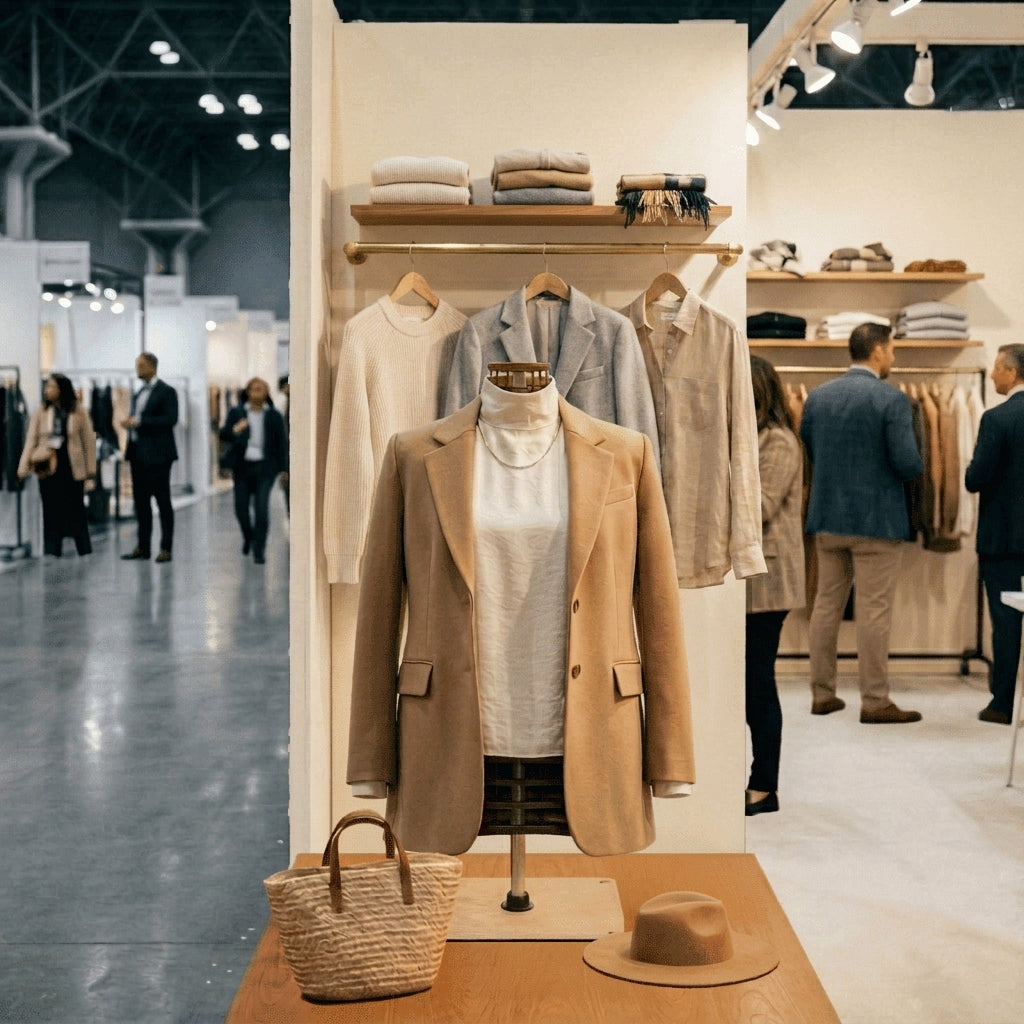
Female S (US 4/6). Industry sample size is almost always 4 or 6, so the form matches what you cut your samples in. For larger pieces (jackets, oversized dresses), the form drapes naturally; the looser silhouette is intended.
Menswear (suits, jackets, button-downs)
Male M (US 38R chest). Standard menswear sample size. Holds tailored jackets, suit coats, and dress shirts the way they should sit. For larger sizes (40R, 42R), the M form drapes acceptably; buyers extrapolate the fit.
Streetwear and merch
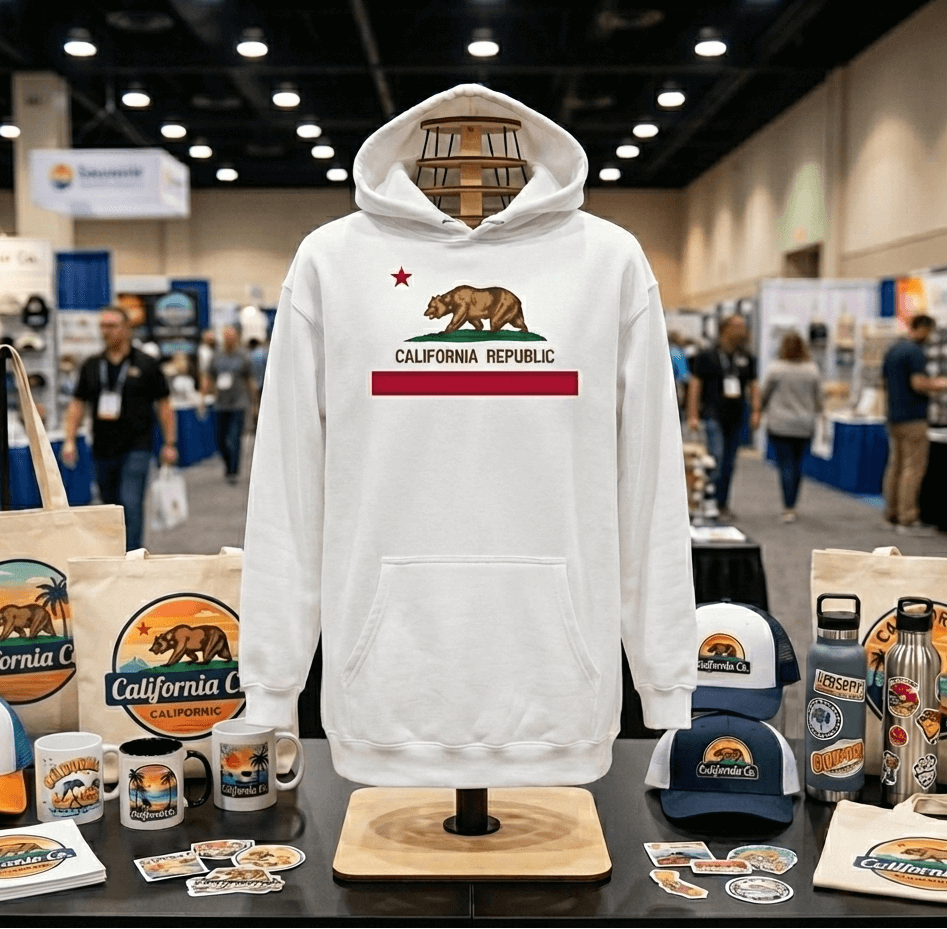
Male M for adults. The size M form holds tees, hoodies, and graphic merch the same way it would on a standard male body. For unisex streetwear that runs oversized, the M form intentionally hangs loose, which is the visual look you want.
Suit makers and tailoring brands
Male M with broader shoulders. Tailored garments need the shoulder line to sit precisely. Nomad's Male M has a 16.5-inch cross-shoulder, which works for most US-size suit samples. For taller frames or wider shoulders, custom sizing is recommended.
Plus-size brands
Custom-sized form, or pad up a smaller form. Standard portable mannequins do not come in size 16+. If plus-size is your main line, commission a custom form (typically $200 to $500 above standard price) or pad a size 12/14 form with foam to fit your samples. Padding works for display but not for precise fitting.
Kids and youth brands
Custom or pad a smaller form. Most portable mannequins are adult-sized. For kids' wear, either commission a custom form or rent an on-site mannequin at the show that has youth sizing.
What to do when your samples do not match the form size
Sample is smaller than the form
Pad with folded scarves, undergarments, or tissue paper inside the garment. Pull seams taut with clips at the back. The garment should look fitted from the front; the back is hidden by the form.
Sample is larger than the form
Let it drape. Most oversized samples (boyfriend blazers, oversized tees, A-line dresses) are designed to hang loose. Position the form so the silhouette flows naturally. Use clips at the back to control fit if needed.
Sample is the wrong proportions (long-torso, short-leg, etc.)
This is the hardest case. Most off-the-shelf forms have average proportions. If your line runs petite, tall, or athletic-cut, a custom form is the only real fix. For one-off display, position the form so the proportion mismatch is less visible (angle the form, drape long pieces to floor).
How to measure your samples to pick a form size
The three measurements that matter for picking a form:
- Bust or chest: at the fullest part, garment laid flat, doubled. Compare to form bust/chest.
- Waist: at the natural waist, garment laid flat, doubled. Compare to form waist.
- Cross-shoulder: seam to seam at the shoulder line, garment laid flat. Compare to form cross-shoulder. This is the most important one for outerwear and jackets.
Pick the form whose measurements fall within 1 to 2 inches of your sample at the bust/chest and cross-shoulder. Waist and hip can be adjusted with padding or clips.
Why we recommend a single S Female and a single M Male for most vendors
Buying multiple form sizes is rarely worth it for trade show vendors. You will spend $500 to $1,000 on three forms when one would have done the job. The exceptions:
- You sell both womenswear and menswear and want both on the booth at the same time. Buy one Female and one Male.
- You sell strictly bridal in size 16+ and need a plus-size form. Commission a custom or use a separate fabric draping technique.
- You sell kids' wear. You need a youth-sized form.
For 90 percent of indie apparel brands, one form in the middle of your sample range is enough. Add styling and accessories to make different samples work.
Custom-sized forms: when they make sense
Worth commissioning a custom form when:
- Your brand consistently makes samples in a non-standard size (your house sample is a 32A bust, 30 inch hip, etc.)
- You exhibit at 4+ shows a year and the imperfect fit of a standard form is hurting you
- You sell at price points where the visual quality of the display matters more than the cost (luxury, couture, bridal)
Not worth it when:
- You exhibit 1 to 2 shows a year (standard sizing is fine)
- Your samples vary in size across collections
- You are still finding your sales channels
For Nomad, custom sizing is available; email nomad@nomadmannequin.com to discuss specifications.
What we recommend
If you sell womenswear, bridal, or contemporary, a Female S (US 4/6) form is the right choice. If you sell menswear, suits, or streetwear, a Male M is the right choice. Buy one. Use sample styling and accessories to make other samples in your line work on the same form. See Nomad Mannequin sizing details or read the comparison of 7 portable mannequin options to see how Nomad's sizing stacks up against competitors.
.%20Menswear,%20suit,%20...)